
AI Overview
Home insurance covers ceiling replacement when damage results from a defined insured event, storm, burst pipe, or impact. The key is documenting the cause of damage before repairs begin, obtaining a written scope of works from a licensed contractor, and lodging within your policy's notification timeframe. Cosmetic deterioration is not covered.
Key highlights
- ›Document the cause of damage before any repairs, photos, timestamps, weather records
- ›Confirm the source is fixed before calling a ceiling contractor (wet ceiling + active leak = ongoing damage)
- ›Get a written scope of works and quote from a licensed contractor for the claim
- ›Notify your insurer promptly, most policies require notification within 30 days of discovery
- ›Cosmetic deterioration and structural failure from age are not covered by standard home insurance
- ›We supply scope-of-works documentation at no extra charge for insurance jobs
A water-damaged ceiling in Perth is one of the most common home insurance claims. Perth's summer storm season, October through April, regularly brings hail, heavy rain, and strong winds that damage roofing and allow water into ceiling cavities.
The difference between a successful claim and a rejected one often comes down to documentation. What caused the damage, when it happened, and what evidence you have of both. Insurers don't automatically reject ceiling claims, they require proof that the damage resulted from a defined insured event rather than gradual deterioration.
This guide covers what home insurance does and doesn't cover for ceilings, what documentation you need to support a successful claim, and how to navigate the claim process without the common mistakes that get claims rejected.
What home insurance actually covers for ceiling damage
Standard home and contents insurance policies in Australia cover damage resulting from defined sudden events. For ceilings, the relevant events are typically: storm damage (including hail, high winds, and wind-driven rain), burst or leaking pipes (sudden failure, not gradual dripping), and impact damage (from falling objects or building collapse).
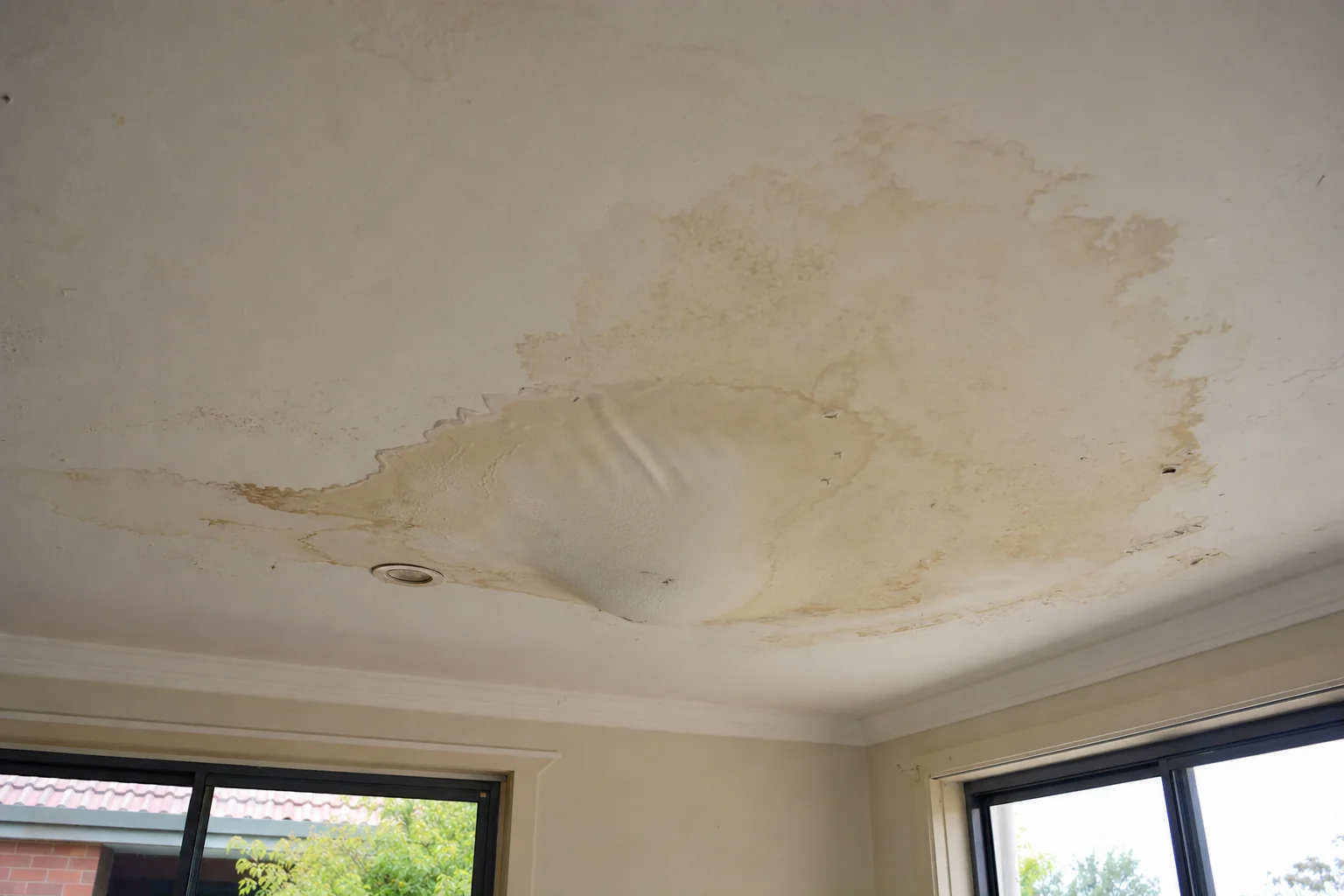
The defining criterion is causation, the damage must result from an event, not from gradual deterioration. A ceiling that sags because the plasterboard is 30 years old and the adhesive has failed is not an insured event. A ceiling that sags because a summer storm put water into the roof cavity and the water loaded the plasterboard is.
What home insurance does not cover for ceilings
Exclusions vary by policy, but the consistent exclusions across most Australian home insurance policies for ceiling claims are: gradual deterioration (the ceiling failed from age, not an event), poor maintenance (a long-term slow leak that was visible and not addressed), and consequential damage from pre-existing defects (the ceiling failed because strapping was already compromised before the event).
If your ceiling has been showing signs of failure for months, staining that kept spreading, paint bubbling, minor sagging, and you didn't lodge a claim or arrange repairs, the insurer may classify it as gradual deterioration and decline cover. The exclusion exists to prevent claims for deferred maintenance. Catch the leak early; don't wait until the ceiling falls.
| Damage type | Typically covered | Notes |
|---|---|---|
| Storm water ingress through damaged roof | Yes | Requires evidence of storm event and roof damage |
| Burst supply pipe in ceiling space | Yes | Requires plumber's report on failure cause |
| Gradual slow leak (dripping pipe) | No | Gradual deterioration exclusion |
| Ceiling failure from old age | No | Not a defined insured event |
| Failed strapping (no triggering event) | No | Structural failure, not an event |
| Asbestos removal cost | Generally no | Unless triggered by a covered event |
What to do before you lodge the claim

Make the area safe
If the ceiling is visibly bulging with water, don't walk under it. Place a container to catch any water. Turn off electrical circuits in the affected area at the switchboard if you're concerned about water near downlights.

Document the damage thoroughly
Photograph the ceiling from multiple angles. Photograph any roof damage you can safely see from outside. Record the date and time. Check the Bureau of Meteorology records for weather events in your area, this is evidence for the claim.

Fix the source first
A ceiling replacement on an unfixed roof is a ceiling that will fail again. Ensure the leak source is identified and fixed before the ceiling is replaced. Get a written report from the roofer or plumber on what they found and fixed, this is evidence for the claim.

Notify your insurer promptly
Most policies require notification within 30 days of discovery (check your policy). Lodge before arranging repairs where possible, insurers sometimes want to send their own assessor to inspect the damage before it's repaired.
Make the area safe
If the ceiling is visibly bulging with water, don't walk under it. Place a container to catch any water. Turn off electrical circuits in the affected area at the switchboard if you're concerned about water near downlights.
Document the damage thoroughly
Photograph the ceiling from multiple angles. Photograph any roof damage you can safely see from outside. Record the date and time. Check the Bureau of Meteorology records for weather events in your area, this is evidence for the claim.
Fix the source first
A ceiling replacement on an unfixed roof is a ceiling that will fail again. Ensure the leak source is identified and fixed before the ceiling is replaced. Get a written report from the roofer or plumber on what they found and fixed, this is evidence for the claim.
Notify your insurer promptly
Most policies require notification within 30 days of discovery (check your policy). Lodge before arranging repairs where possible, insurers sometimes want to send their own assessor to inspect the damage before it's repaired.
Documentation the insurer needs
A well-documented claim is a faster claim. The documentation package that moves through the insurer's assessment process with minimal queries includes: dated photographs of the damage, a weather event record for the date (BoM data), a written report from the contractor who fixed the source (roofer or plumber), and a written scope of works and fixed-price quote from a licensed ceiling contractor.
The claim process step by step
Notify insurer and lodge claim
Contact your insurer via their claims line or online portal. Have your policy number, the date of damage, and a brief description of what happened. They'll assign a claim number and advise next steps.
Insurer assessment
The insurer may send their own assessor to inspect, or accept your documentation. For ceiling claims under $5,000, many insurers accept contractor quotes without sending their own assessor.

Submit scope of works and quote
Once the claim is accepted in principle, submit the written scope and quote from your licensed ceiling contractor. The insurer confirms the covered amount (scope minus any exclusions, minus your excess).

Excess payment and authorisation
Pay your policy excess. The insurer authorises the work. You coordinate with your contractor to schedule the job.

Works completed and payment
Ceiling replacement completed. Contractor invoices you (or the insurer directly, depending on your policy structure). Insurer pays the authorised amount.
Notify insurer and lodge claim
Contact your insurer via their claims line or online portal. Have your policy number, the date of damage, and a brief description of what happened. They'll assign a claim number and advise next steps.
Insurer assessment
The insurer may send their own assessor to inspect, or accept your documentation. For ceiling claims under $5,000, many insurers accept contractor quotes without sending their own assessor.
Submit scope of works and quote
Once the claim is accepted in principle, submit the written scope and quote from your licensed ceiling contractor. The insurer confirms the covered amount (scope minus any exclusions, minus your excess).
Excess payment and authorisation
Pay your policy excess. The insurer authorises the work. You coordinate with your contractor to schedule the job.
Works completed and payment
Ceiling replacement completed. Contractor invoices you (or the insurer directly, depending on your policy structure). Insurer pays the authorised amount.
Common mistakes that derail Perth ceiling insurance claims
The most common claim errors we see Perth homeowners make in ceiling damage claims follow a predictable pattern.
How we support the insurance claim
We supply a written scope of works and fixed-price quote formatted to meet insurer requirements. The document specifies: ceiling area, cause of damage (as observed), materials and methods, finish standard, and price. This is included at no extra charge for insurance-related ceiling jobs.
We don't deal directly with insurance companies, we provide the documentation, you manage the claim. This is the cleanest arrangement: you maintain control of the claim process and we focus on doing the ceiling job correctly once the claim is approved.